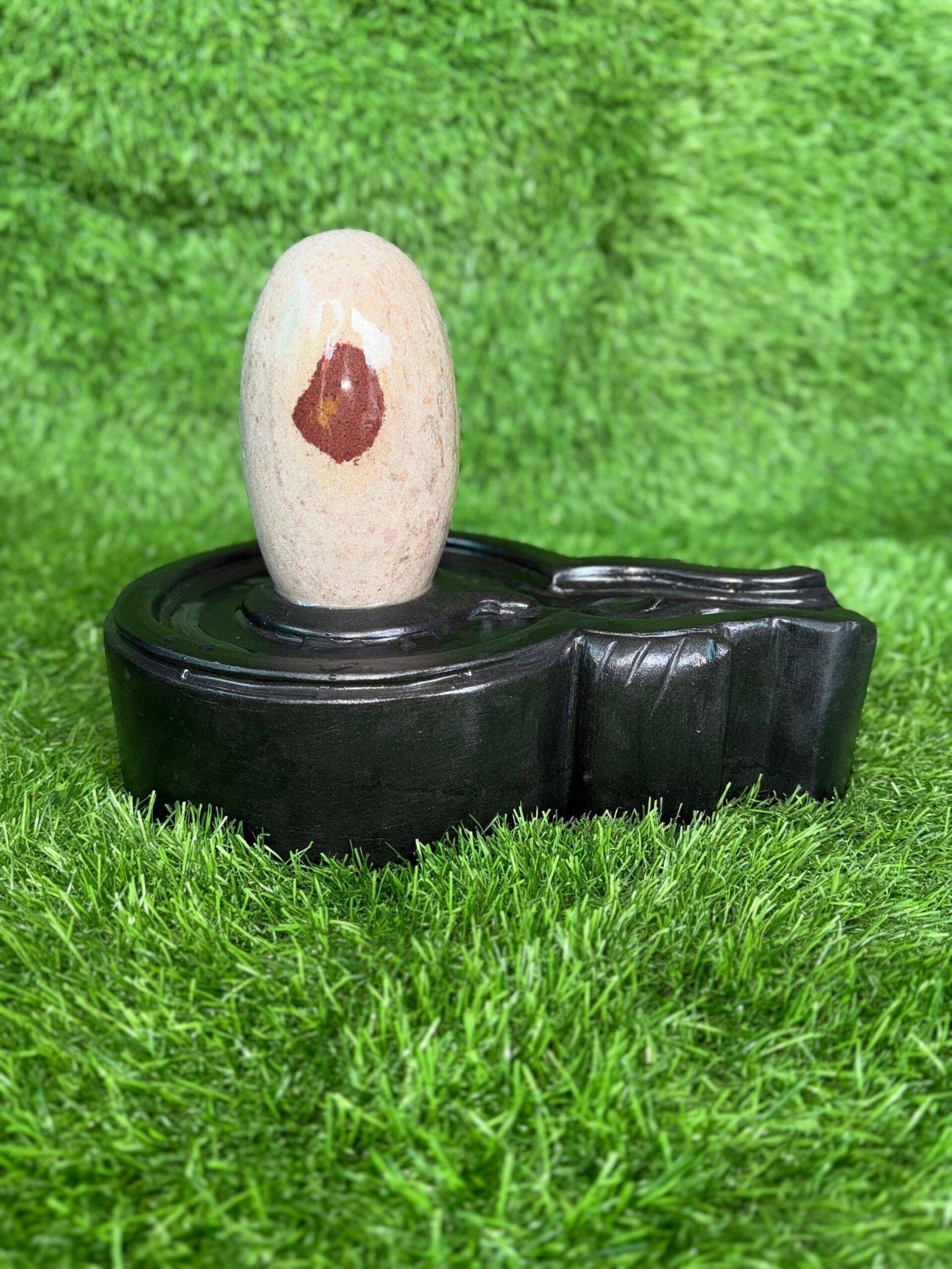
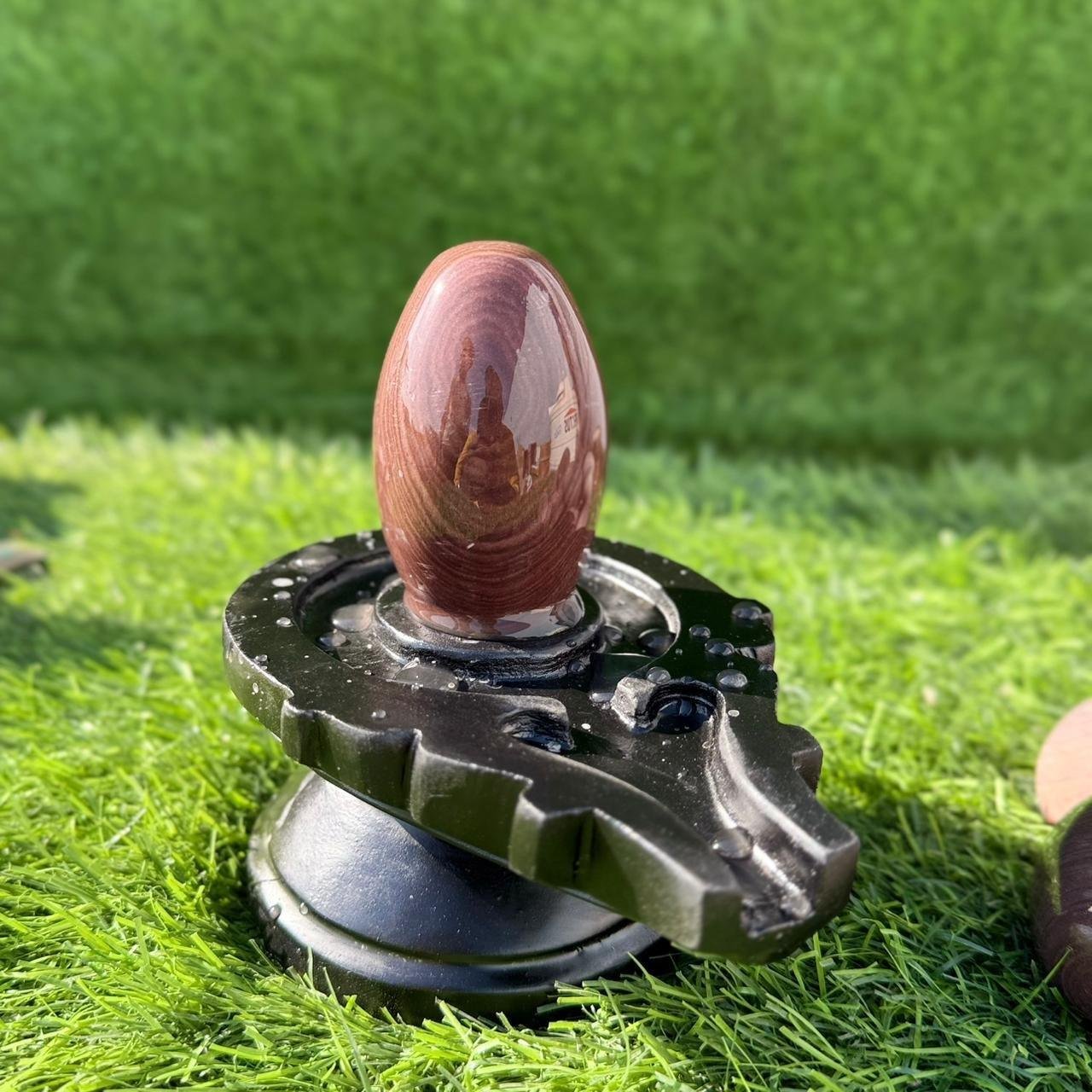
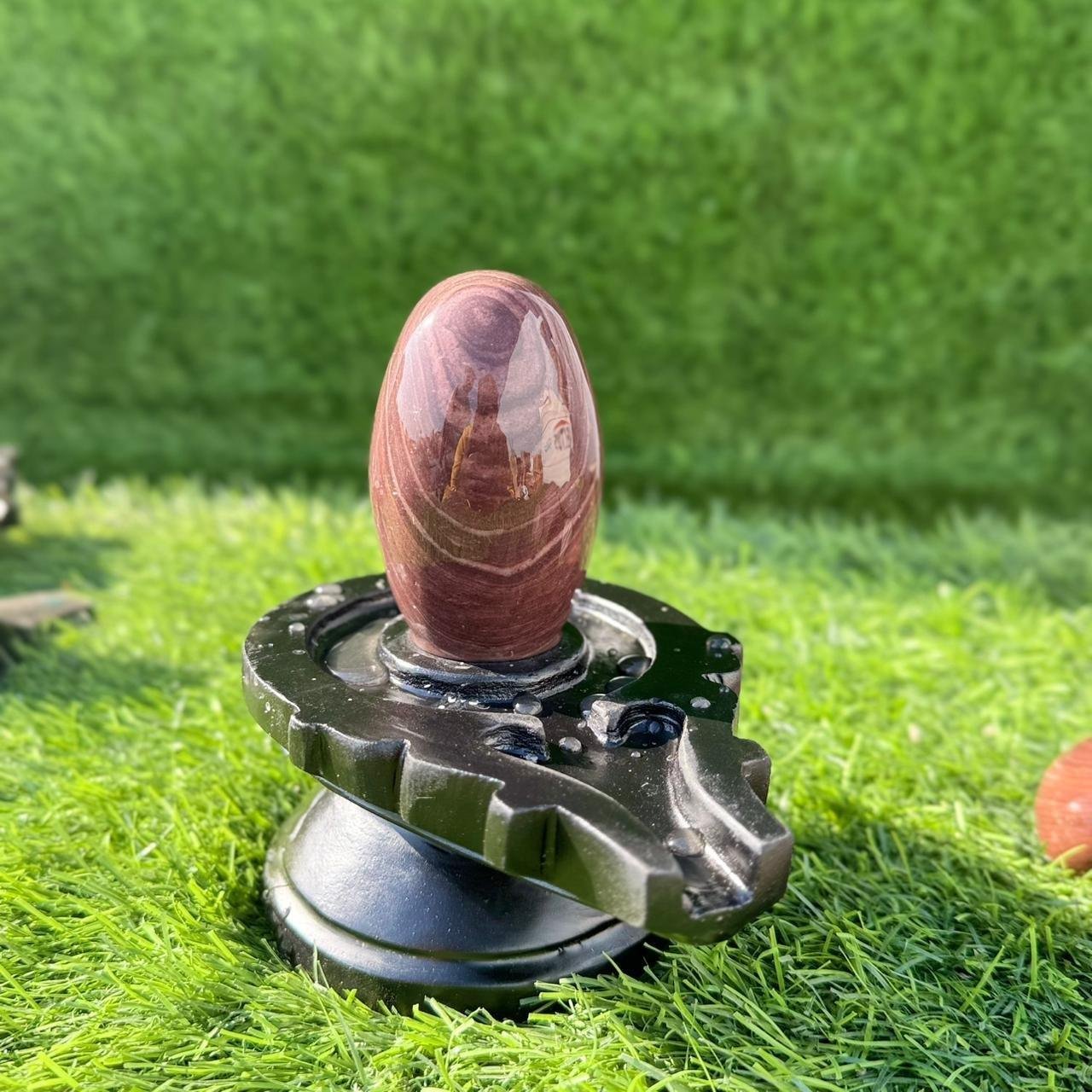
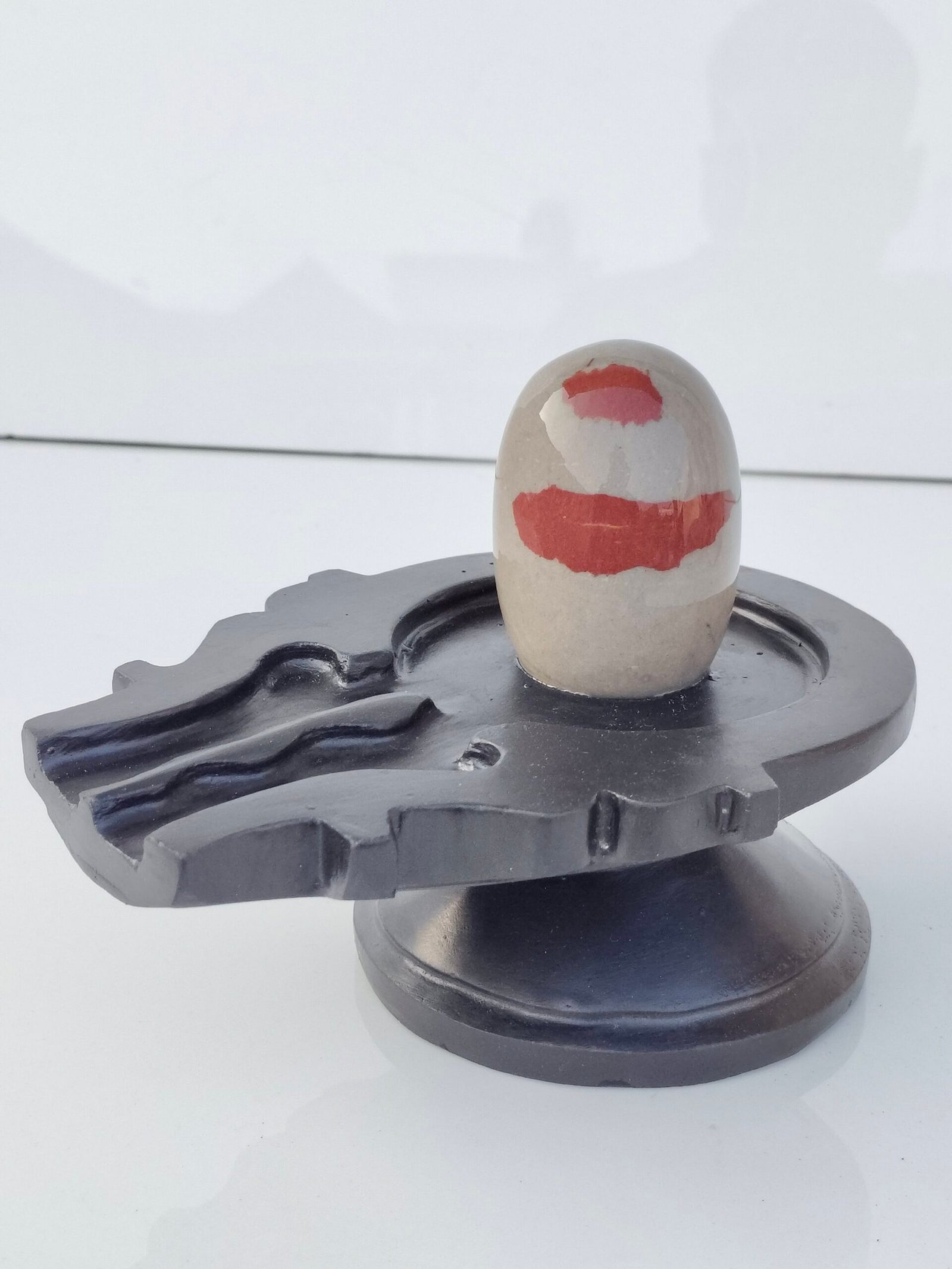
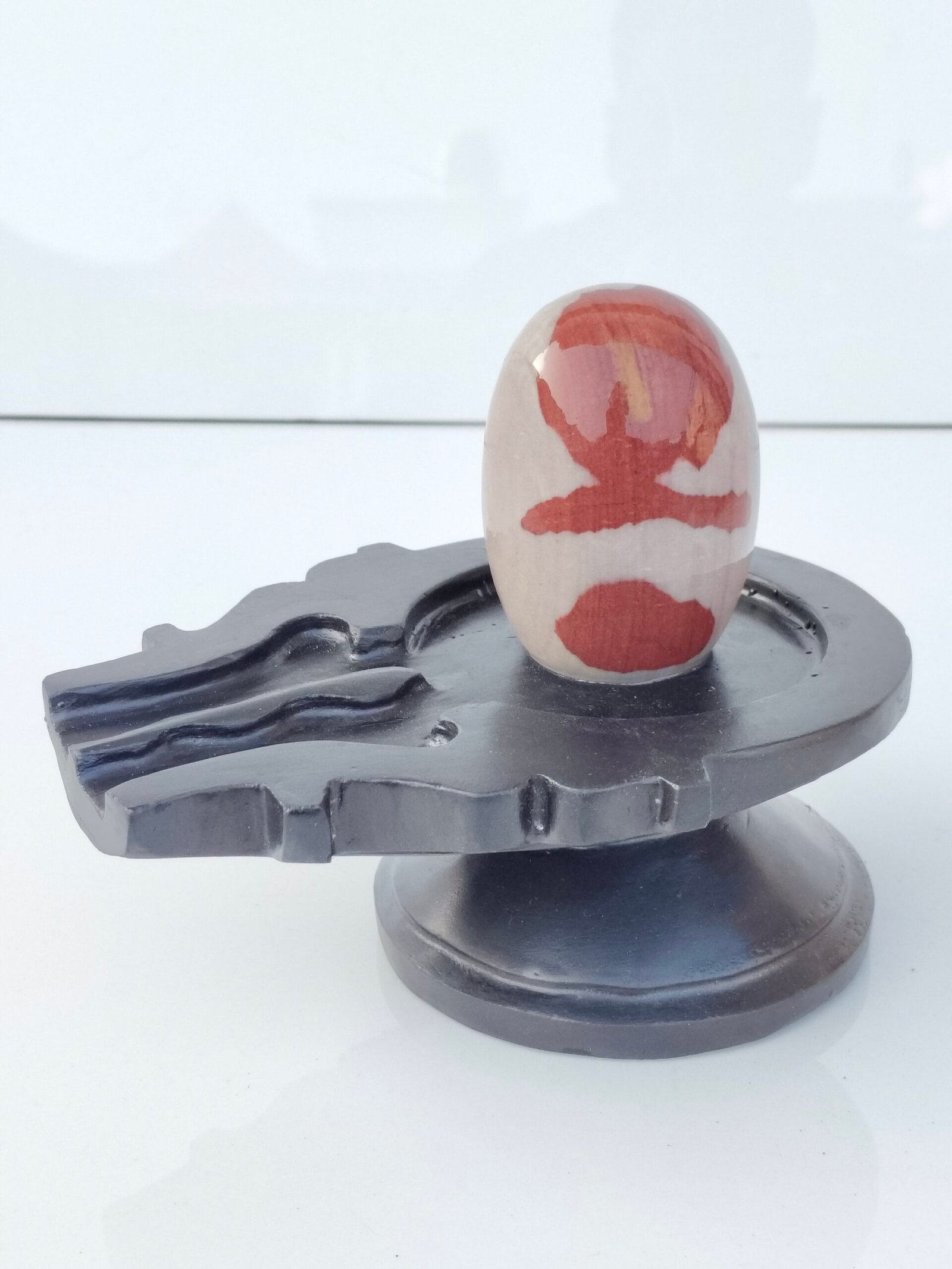
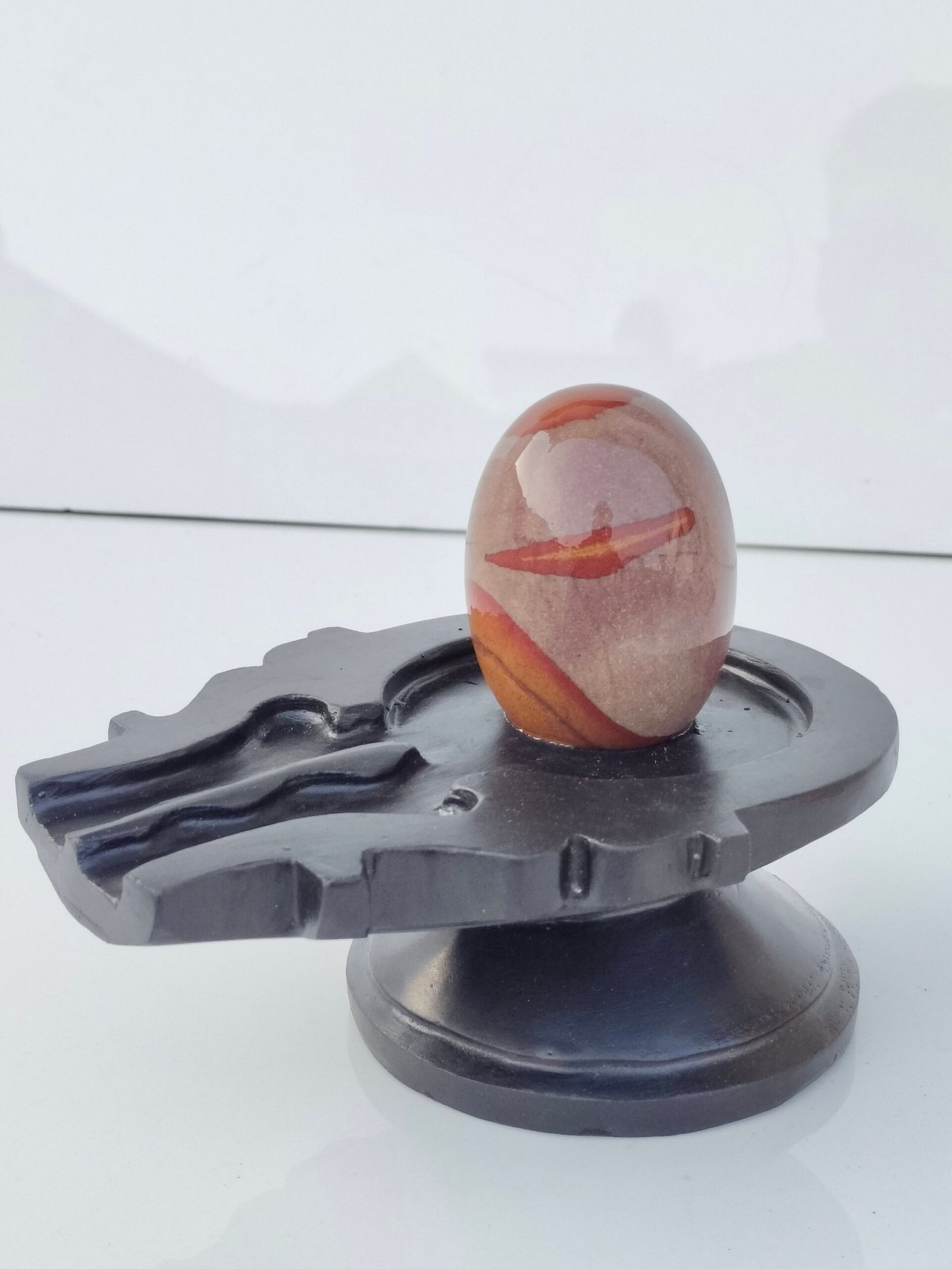
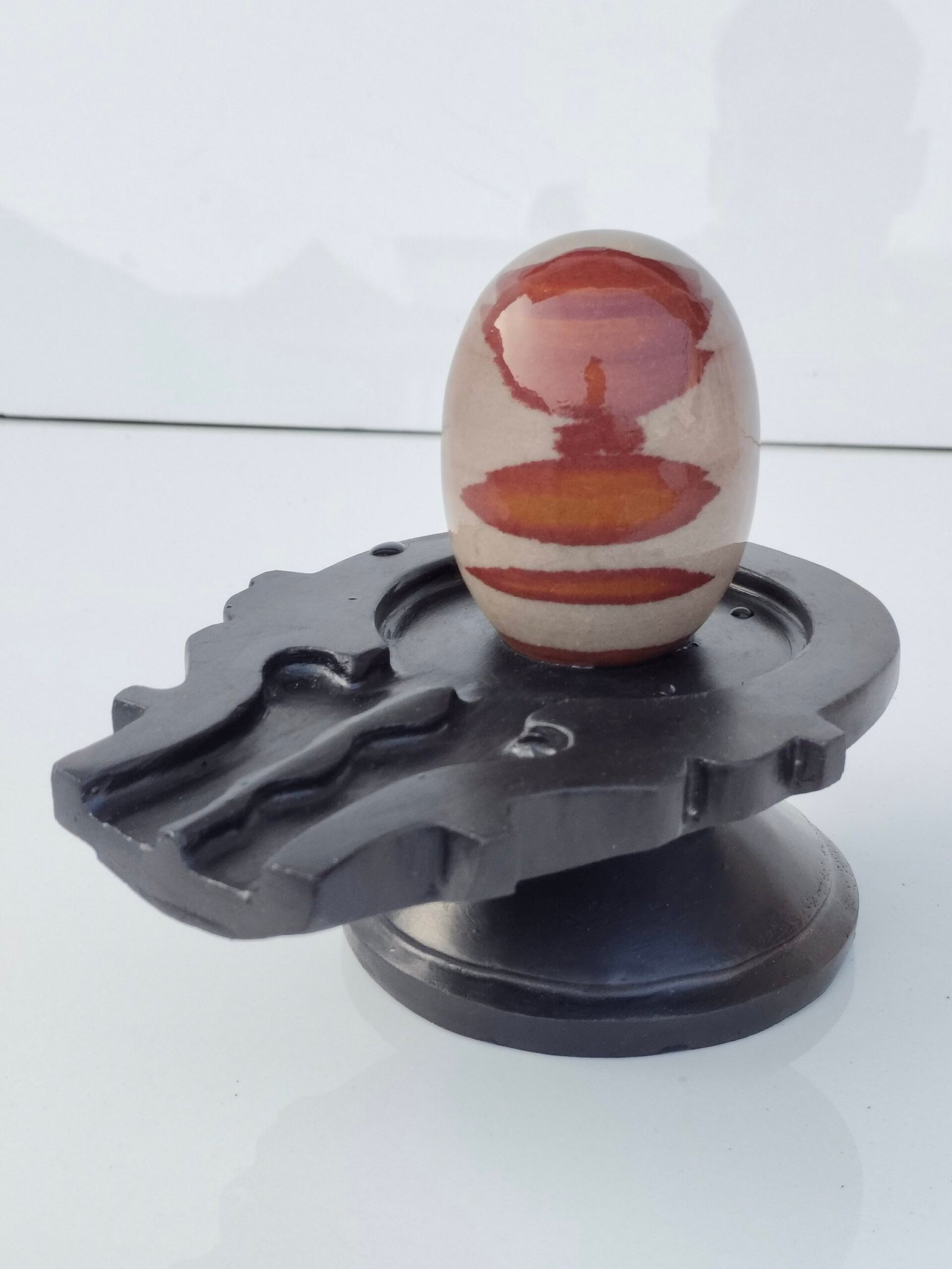
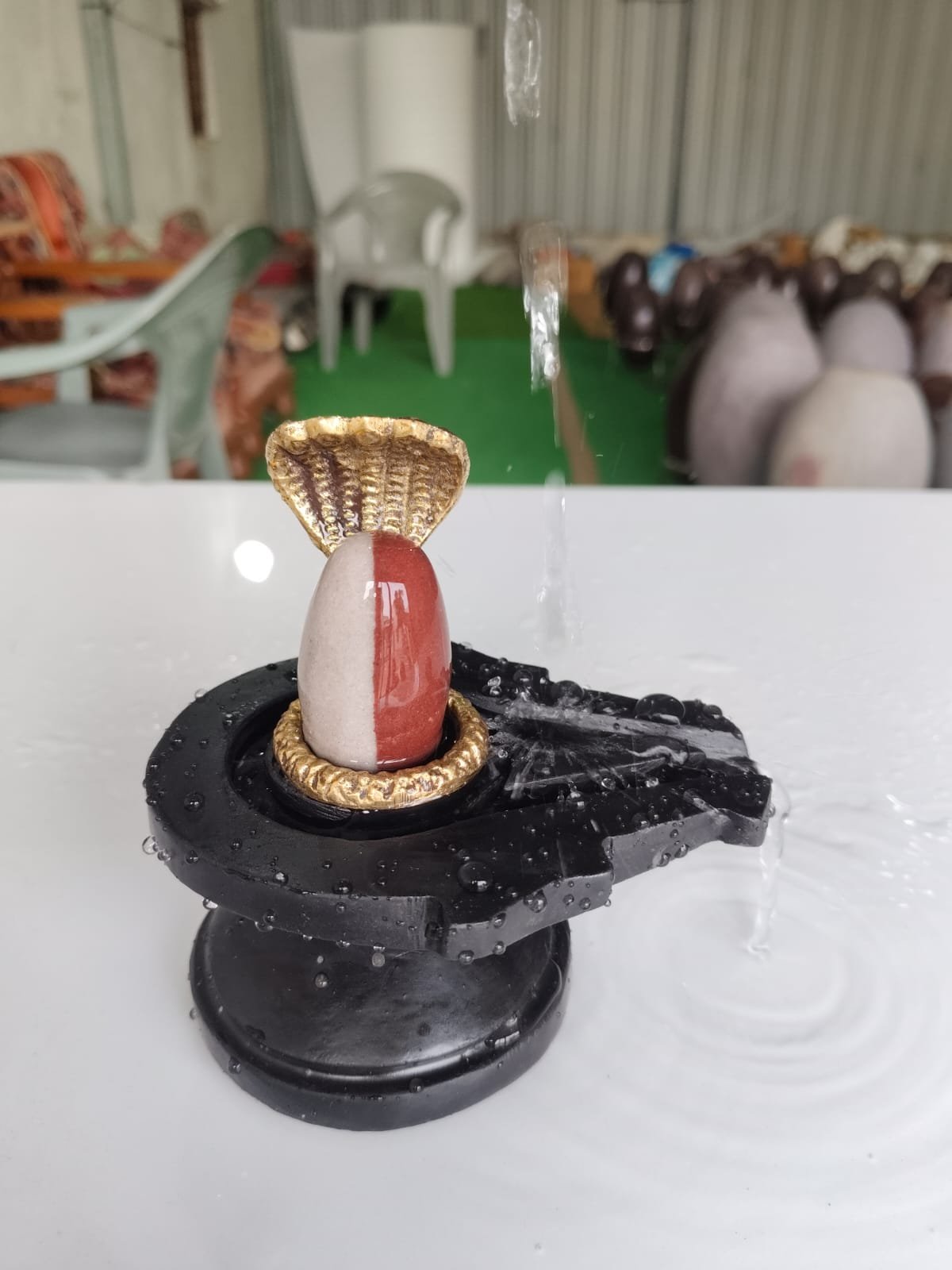
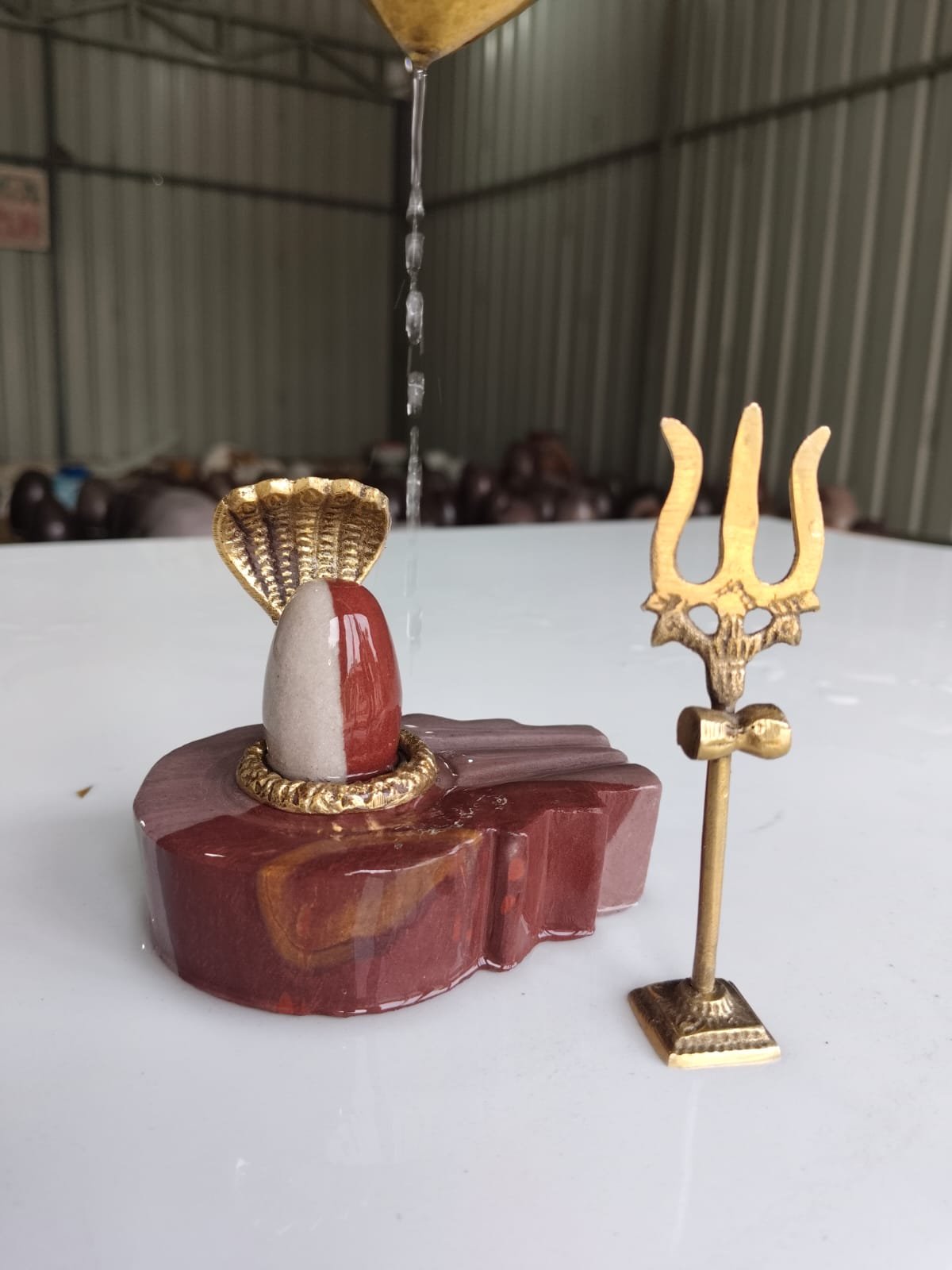
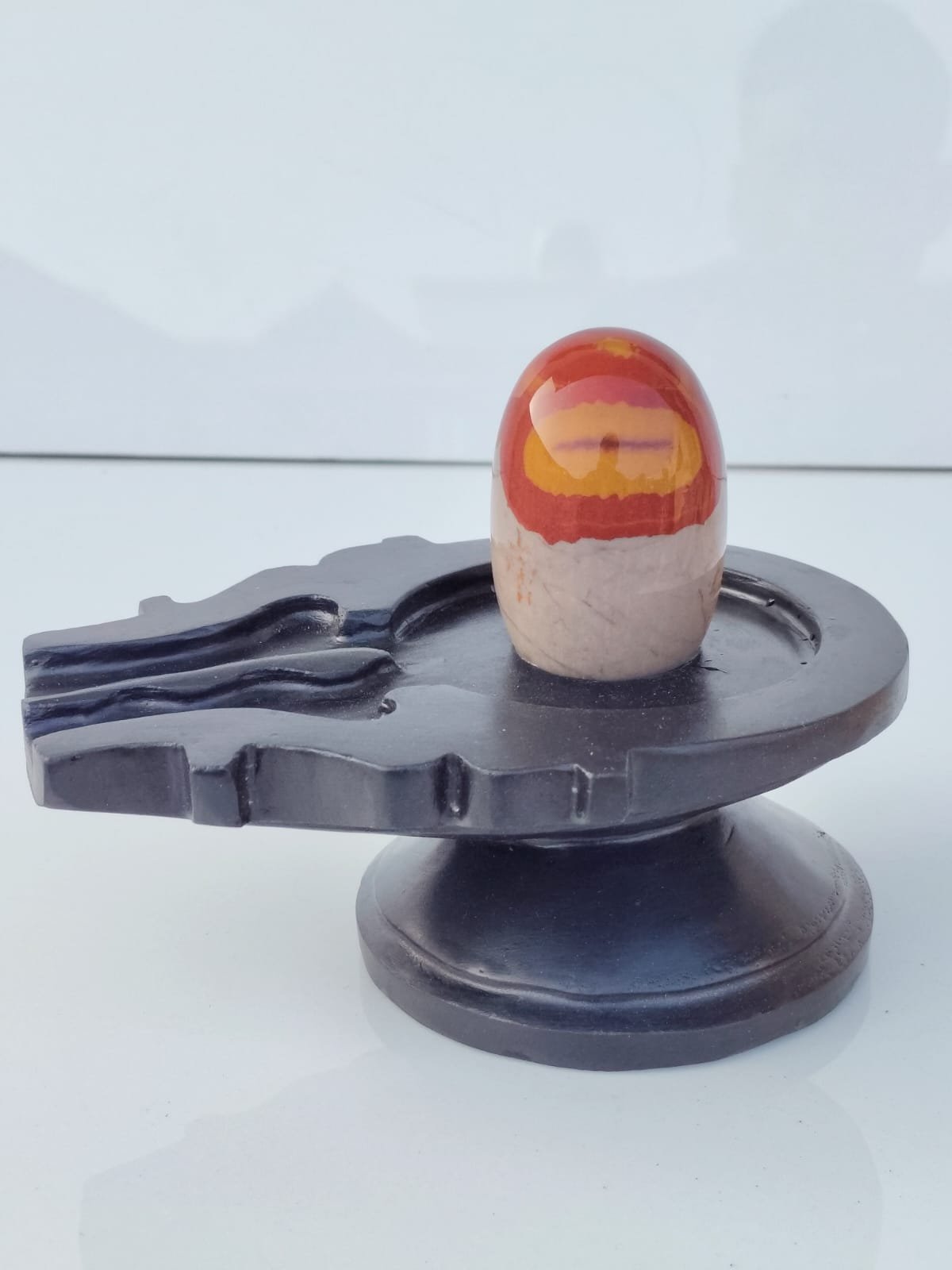
Narmadeshwar Shivlings are traditionally associated with the Narmada River and are known for their naturally developed shapes, smooth surfaces, and individual stone patterns.
Because every natural stone is different, understanding its origin and characteristics is important when choosing a Shivling.In this guide, we explain what an original river Shivling means, how Narmadeshwar Shivlings are formed, what to look for when buying one, and how to make a more informed purchase.What Is an Original River Shivling?
An original river Shivling generally refers to a naturally formed stone associated with a river environment and traditionally regarded as a Shivling. Narmadeshwar Shivlings are particularly associated with stones from the Narmada River region.
Natural movement of water, stones and sediment can contribute to the smooth appearance and distinctive forms of river stones over long periods.
Unlike a manufactured decorative object, naturally formed stones can have significant variations in shape, surface, colour, markings and size.
This natural variation is one of the reasons no two stones necessarily look exactly alike.What Is a Narmadeshwar Shivling?
A Narmadeshwar Shivling is traditionally associated with the Narmada River and is widely respected in Hindu tradition.
These stones are commonly recognized by their smooth, rounded or elliptical forms and natural surface characteristics. Their appearance can vary considerably depending on the individual stone.
Some may have darker surfaces, while others can display natural patterns, lines, spots or variations in colour.
When purchasing one, it is therefore important to look at the actual stone being offered, rather than judging authenticity only from a generic photograph.
How Are River Stones Naturally Shaped? River environments can continuously expose stones to water movement and contact with other rocks and sediment.
Over long periods, this natural process can alter the surface and edges of stones, producing smoother forms.The exact appearance of an individual stone depends on factors such as its geological composition, environment and natural history.
This is why naturally occurring stones can have different shapes and surface patterns.Original River Shivling vs Artificially Shaped StoneOne of the most common questions buyers have is how to distinguish a naturally formed stone from a stone that has been artificially shaped.
There is no single visual feature that can conclusively authenticate every individual stone. However, buyers can make a more informed decision by asking questions and examining the product carefully.